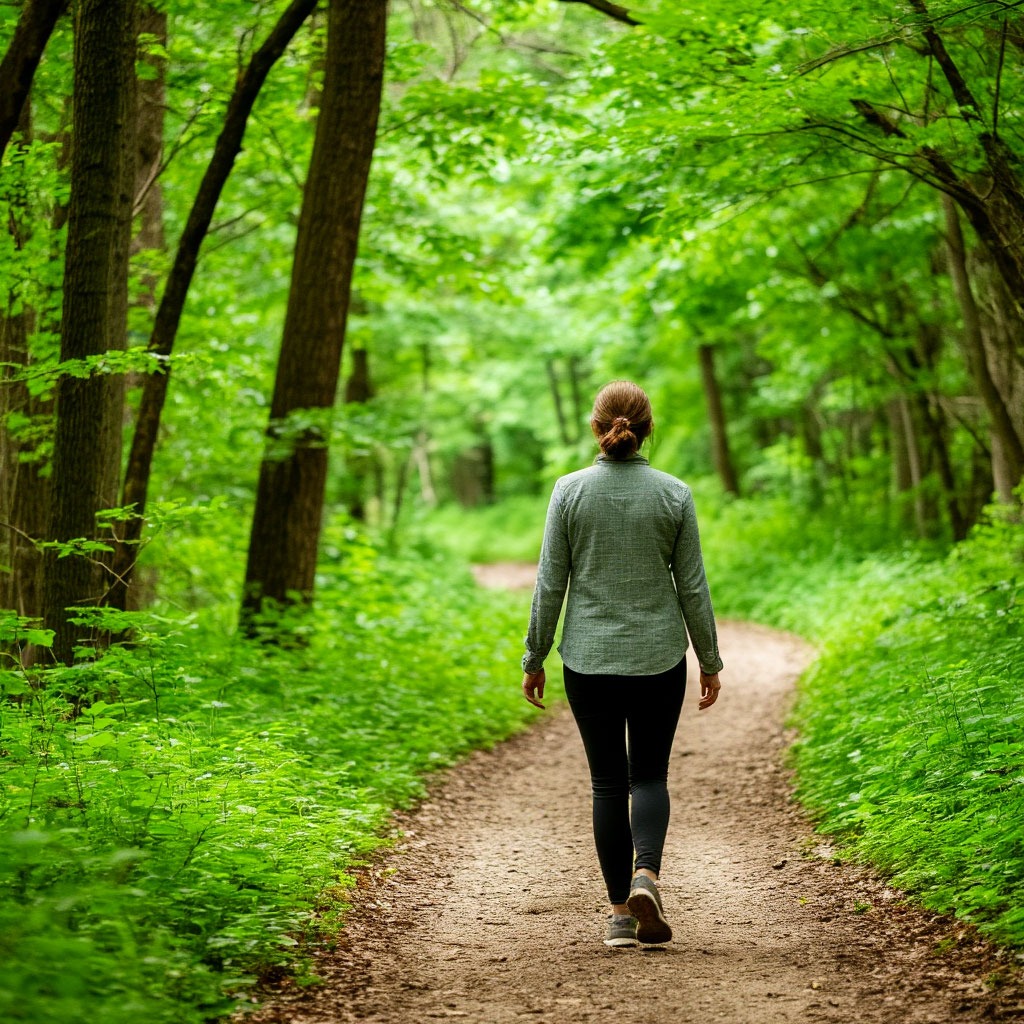
Why Walking Comes Up in Wellness Conversations
Of all the habits discussed in wellness circles, walking may be the most universally accessible. It requires no special equipment, no gym membership, and no prior experience. Whether you live in a bustling city or a quiet rural area, walking is something nearly everyone can incorporate into their daily routine. It is perhaps for this reason that walking is one of the most frequently mentioned activities when adults discuss habits that support their overall sense of well-being.
Walking is not a new concept, of course. People have been walking for transportation, recreation, and reflection for as long as human history has been recorded. What has changed in recent years is the growing interest in how regular walking fits into broader conversations about cognitive wellness, mood, and healthy aging. Many adults are rediscovering the simple act of walking as a meaningful part of their daily routine.
The Benefits of Daily Walking
Many adults who walk regularly report that it helps them feel more alert, focused, and mentally clear throughout the day. Walking increases blood flow throughout the body, including to the brain, and the rhythmic nature of the activity can have a calming effect on the mind. For many people, a daily walk serves as both physical exercise and a form of mental reset, providing a break from the demands of work, household responsibilities, or screen time.
Beyond the immediate sense of refreshment that a walk can provide, many wellness educators discuss walking as a habit that supports long-term well-being when practiced consistently. The cumulative effect of daily movement, even at a moderate pace, is something that comes up frequently in conversations about maintaining vitality and mental engagement as adults age. Walking is often described as one of the most sustainable forms of physical activity because it can be adapted to nearly any fitness level or schedule.
How Much Walking Is Enough
One of the most common questions people ask when they begin a walking routine is how much they need to walk to experience benefits. While specific recommendations vary, many wellness educators suggest that even a modest amount of daily walking can be meaningful. For adults who are just starting out, a ten to fifteen minute walk each day can be a reasonable and achievable goal.
Over time, many people naturally increase the duration or frequency of their walks as the habit becomes more established. Some adults aim for thirty minutes of walking most days of the week, while others prefer shorter walks spread throughout the day. The important thing is finding an amount that feels sustainable and enjoyable rather than treating walking as a chore or obligation. Consistency tends to matter more than duration, and many people find that even short, regular walks contribute to how they feel overall.
Walking in Nature
While walking in any environment can be beneficial, many adults express a particular appreciation for walking in natural settings. Parks, trails, gardens, and tree-lined neighborhoods offer a sensory experience that differs from walking indoors or along busy streets. The sights, sounds, and smells of nature can provide a sense of calm and mental refreshment that many people find especially valuable.
Spending time in green spaces while walking is a topic that comes up often in wellness discussions. Many adults describe feeling more relaxed and mentally clear after a walk through a park or along a wooded trail compared to the same amount of time spent walking on a treadmill or through a shopping center. The combination of physical movement and natural surroundings seems to offer something that many people find uniquely restorative.
Walking With Others
Walking alone can be a wonderful opportunity for reflection and solitude, but walking with others adds a social dimension that many adults value. Walking with a friend, a spouse, a neighbor, or a group provides an opportunity for conversation and connection while also getting physical activity. Many communities have walking groups that meet regularly, offering a built-in social structure for people who enjoy the combination of movement and companionship.
For adults who find it difficult to maintain a walking routine on their own, having a walking partner or group can provide accountability and motivation. Knowing that someone is expecting you to show up for a morning walk can be the extra push needed to get out the door on days when motivation is low. The social aspect of walking also makes the time pass more quickly and can turn a simple walk into something to look forward to each day.
Consistency Over Intensity
One of the most encouraging aspects of walking as a wellness habit is that it does not need to be intense to be meaningful. Many adults feel pressure to engage in vigorous exercise, which can be discouraging for those who are not naturally inclined toward high-intensity activities. Walking offers an alternative that is gentle on the body while still providing the kind of regular movement that many wellness educators encourage.
The emphasis with walking is on consistency rather than speed or distance. A daily walk at a comfortable pace is generally considered more sustainable and enjoyable than an occasional intense workout followed by days of inactivity. Many adults find that once they establish a consistent walking habit, it becomes something they genuinely enjoy rather than something they feel obligated to do. This shift from obligation to enjoyment is often what makes the habit stick over the long term.
Walking and Mood
Many adults who walk regularly notice a positive effect on their mood. The combination of physical movement, fresh air, and a change of scenery can help shift perspective and provide a sense of renewal during the day. Walking is often described as a natural way to manage everyday stress, and many people use their daily walk as a time to process thoughts, work through challenges, or simply enjoy a few minutes of quiet.
The mood-related aspects of walking are frequently discussed in wellness conversations, particularly among adults who are looking for simple, accessible ways to support their emotional well-being. While walking is not a substitute for professional support when it is needed, many people find that it serves as a helpful complement to other wellness practices. The regularity of a daily walk can provide a sense of routine and stability that many adults find comforting.
Practical Tips for Starting a Walking Routine
If you are interested in making walking a regular part of your day, starting small is often the most effective approach. Choose a time of day that works consistently with your schedule, whether that is first thing in the morning, during a lunch break, or after dinner. Having a set time helps the habit become automatic over time, reducing the need to make a decision about when to walk each day.
Comfortable shoes are the only real equipment you need. Many adults find that having a dedicated pair of walking shoes makes it easier to get out the door. Planning a simple route that you enjoy, whether it loops through your neighborhood, passes through a nearby park, or follows a familiar path, can also help make the habit feel effortless. As the routine becomes established, you may find yourself naturally exploring new routes, walking longer distances, or inviting others to join you.
The most important step is simply beginning. A five-minute walk around the block today is a perfectly valid starting point. Many adults who now walk regularly started with just a few minutes and gradually built from there. The goal is not to achieve a specific distance or pace but to create a habit that feels good and fits naturally into your life. For many people, walking becomes one of the most valued parts of their daily routine, offering a simple and reliable way to support their overall sense of well-being.