
Have you ever walked into a room and completely forgotten why you were there? Or found yourself struggling to recall a familiar name just when you needed it most?
These small moments of forgetfulness are something many adults experience, especially after 50. And while occasional lapses are a normal part of life, they often lead people to start looking more closely at their everyday routines — including what they eat.
Nutrition is one of the first areas many adults choose to review when they notice changes in focus or mental clarity. Below are three common dietary habits that come up frequently in healthy aging conversations.
3. Margarine and Spreads with Trans Fats

Once marketed as a healthier alternative to butter, many margarine products contain trans fats that are widely discussed in wellness circles. Some adults prefer to review their intake of processed spreads and opt for more balanced alternatives as part of their overall dietary approach to healthy aging.
2. Diet Sodas and Artificial Sweeteners
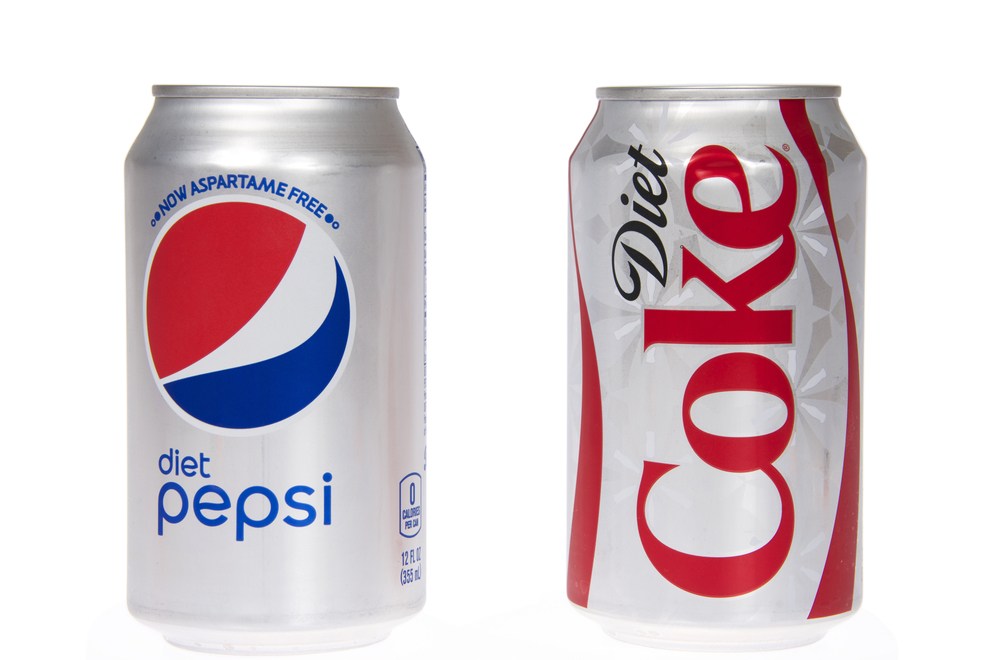
Zero-calorie drinks may seem like a harmless choice, but artificial sweeteners like aspartame are often discussed in conversations about everyday wellness. Many adults choose to reduce their consumption of diet sodas and explore other beverage options as they pay more attention to how their daily habits may influence the way they feel.
1. Refined Carbohydrates (White Bread, Pasta)

Refined carbs like white bread, bagels, and pasta are staples in many diets — but they convert quickly into sugar in the bloodstream. These rapid spikes are often discussed in healthy aging conversations, and many people choose to swap refined grains for whole-grain alternatives as part of a more mindful eating routine.
What Many Adults Do Next
Reviewing everyday food choices is often the first step many adults take when they want to feel more mentally sharp. But beyond diet, some people also explore simple, science-backed approaches to supporting their cognitive wellness.
One resource that has been circulating in wellness communities is a short educational video that walks through some of the everyday factors that may affect memory and focus — and what some adults are choosing to do about it.
The video is free to watch and takes just a few minutes. Many viewers say it helped them better understand the connection between daily habits and how they feel mentally.

What the Video Covers
- Why certain everyday habits may affect how sharp you feel after 50
- The connection between common foods and mental clarity that many adults overlook
- A simple approach some adults are using to support their memory and focus
- What wellness professionals are saying about cognitive health in everyday life