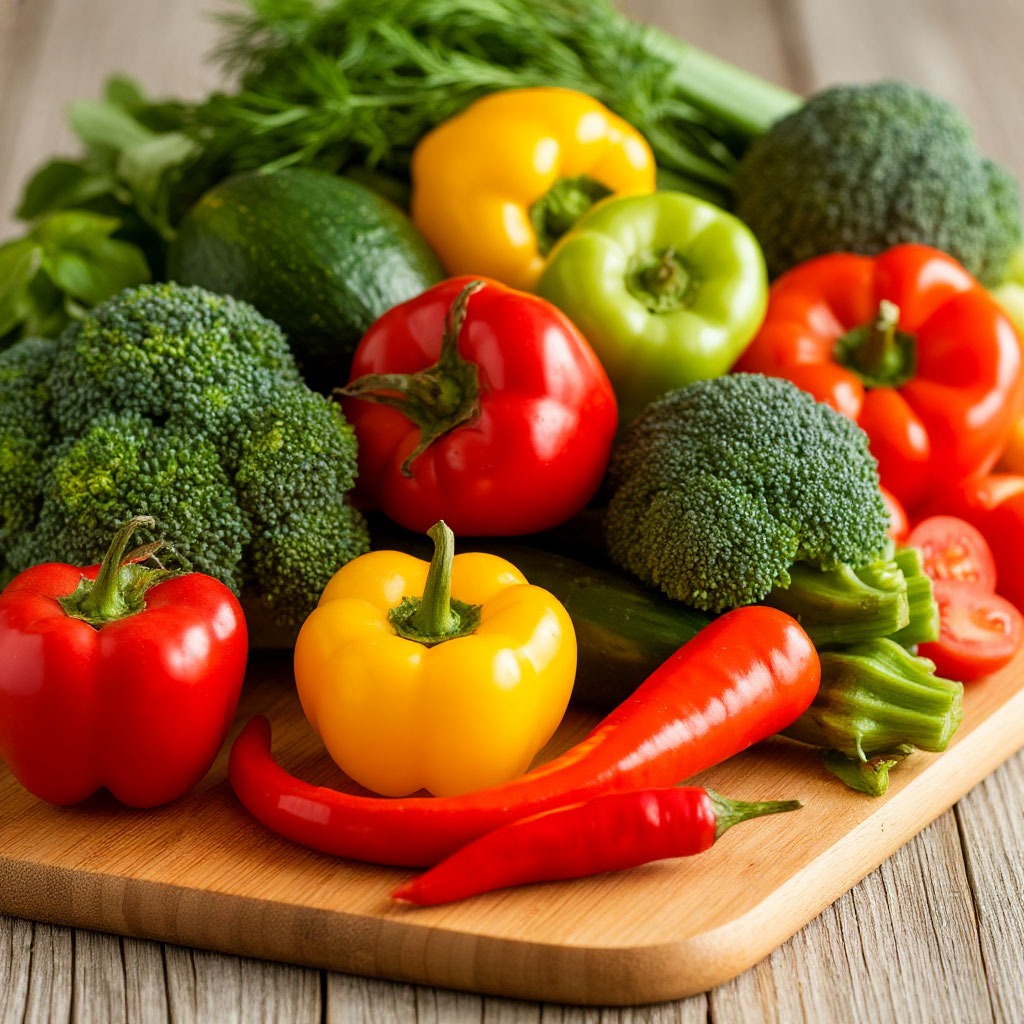
For many adults over 50, taking a closer look at everyday eating habits becomes a natural part of the wellness conversation. One area that frequently comes up is the role of processed foods in the daily diet. While convenience is a real consideration for busy households, many people find that understanding what goes into their food helps them make more informed choices.
This article explores what processed foods are, how to read labels more effectively, and practical ways that many adults begin shifting toward whole food alternatives at their own pace.
What Counts as Processed Food
The term "processed food" covers a wide spectrum. At its most basic level, any food that has been altered from its natural state is technically processed. This includes frozen vegetables, canned beans, and pasteurized milk, all of which undergo minimal processing and are generally considered part of a balanced diet.
However, when most people talk about processed foods in wellness conversations, they are usually referring to ultra-processed products. These are items that have been significantly transformed through industrial methods and often contain ingredients that would not typically be found in a home kitchen. Think of packaged snack cakes, instant noodles, flavored chips, sugary cereals, and ready-to-eat frozen meals with long ingredient lists.
Understanding this distinction is helpful because it allows people to focus their attention on the types of processed foods that may be worth reconsidering, rather than feeling like they need to avoid every food that has been touched by any form of processing.
Reading Labels With Confidence
One of the most practical skills many adults develop as part of their wellness journey is learning to read food labels. The nutrition facts panel and ingredient list on packaged foods contain a wealth of information, but they can feel overwhelming at first.
A good starting point is the ingredient list itself. Ingredients are listed in order of quantity, meaning the first few items make up the largest portion of the product. If sugar, high-fructose corn syrup, or hydrogenated oils appear near the top of the list, that tells you something about the composition of the food.
Many adults also pay attention to the number of ingredients. A product with five or six recognizable ingredients is generally quite different from one with 25 or more items, many of which are difficult to pronounce. This is not a hard rule, but it can serve as a useful guideline when comparing options at the grocery store.
Serving sizes are another area worth noting. Sometimes a package that appears to be a single serving actually contains two or three, which means the sodium, sugar, and calorie counts on the label need to be multiplied accordingly.
Sodium and Sugar: Two Areas Worth Watching
Sodium and added sugar are two components that come up repeatedly in conversations about processed foods and wellness. Many packaged and prepared foods contain higher amounts of both than people might expect.
Sodium is used extensively in processed foods as a preservative and flavor enhancer. While the body does need some sodium to function, many adults consume more than they realize through packaged soups, deli meats, sauces, and snack foods. Paying attention to the sodium content on labels can help people make more informed decisions about which products to include in their routine.
Added sugar is similarly prevalent in processed foods, and it appears under many different names on ingredient lists. Terms like sucrose, dextrose, maltose, and cane juice all refer to forms of added sugar. Many adults find it eye-opening to see how much added sugar is present in items they previously considered neutral or even healthy, such as flavored yogurts, granola bars, and bottled sauces.
The goal for most people is not to eliminate sodium or sugar entirely, but to become more aware of how much they are consuming and to make adjustments where it feels appropriate.
Preservatives and Additives
Preservatives and food additives are another topic that many adults explore when reviewing their dietary habits. These substances are added to processed foods to extend shelf life, improve texture, enhance color, or boost flavor.
Some common preservatives include sodium benzoate, potassium sorbate, and various sulfites. Artificial colors and flavors are also frequently found in ultra-processed products. While these ingredients are approved for use in food products, many adults simply prefer to minimize their intake as part of a broader approach to eating more whole, minimally processed foods.
For those who want to reduce their exposure to additives, focusing on foods with shorter, more recognizable ingredient lists is a straightforward strategy. Shopping the perimeter of the grocery store, where fresh produce, meats, and dairy are typically located, is another approach that many people find helpful.
Whole Food Alternatives
Shifting toward more whole foods does not have to mean a complete overhaul of the kitchen. Many adults find that simple swaps make a meaningful difference over time without requiring dramatic changes to their routine.
For example, choosing plain oatmeal and adding fresh fruit instead of buying pre-sweetened instant packets is a small change that reduces added sugar. Preparing a simple vinaigrette at home rather than using a bottled dressing with a long ingredient list is another easy adjustment. Snacking on nuts, fresh fruit, or vegetables with hummus instead of reaching for packaged chips or cookies is a swap that many people find satisfying once it becomes a habit.
The idea is not to achieve perfection but to gradually increase the proportion of whole, minimally processed foods in the diet. Over weeks and months, these small changes can shift the overall balance of what a person eats in a meaningful way.
Meal Planning as a Practical Tool
One of the most effective strategies many adults use to reduce their reliance on processed foods is meal planning. Taking a few minutes each week to think about upcoming meals and snacks can make a significant difference in what ends up on the plate.
Meal planning does not have to be elaborate. For some people, it means writing a simple list of dinners for the week and shopping accordingly. For others, it involves preparing a few key ingredients on the weekend, such as cooking a batch of grains, washing and chopping vegetables, or making a large pot of soup, so that healthy options are readily available during busy weekdays.
Having a plan reduces the likelihood of reaching for convenience foods out of necessity. When healthy options are already prepared and accessible, many people find it much easier to make choices that align with their wellness goals.
The Value of Gradual Changes
Perhaps the most important takeaway for many adults is that dietary changes do not need to happen all at once. In fact, gradual changes tend to be more sustainable than dramatic overhauls. Trying to eliminate all processed foods overnight can feel overwhelming and is often difficult to maintain.
A more practical approach is to pick one or two areas to focus on at a time. Maybe it starts with reading labels more carefully during the next grocery trip. Or perhaps it means trying one new whole food recipe each week. Over time, these small steps build on each other and create lasting habits.
It is also worth remembering that occasional processed foods are a normal part of most people's diets. The goal is not perfection but awareness. Understanding what is in the food we eat empowers us to make choices that feel right for our individual wellness journeys.
As with any changes to diet or nutrition, it is always a good idea to discuss plans with a healthcare provider or registered dietitian, especially for those managing specific health considerations. A professional can offer personalized guidance that takes individual needs and circumstances into account.